Engineered for commercial, hospitality, and ultra-luxury residential spaces across Japan. Precision metalwork integrated with modern high-efficiency LED electronics.
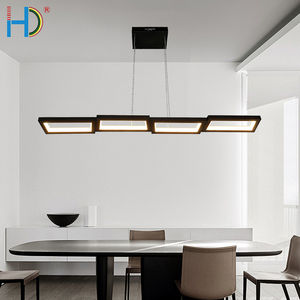
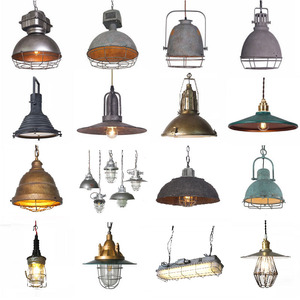
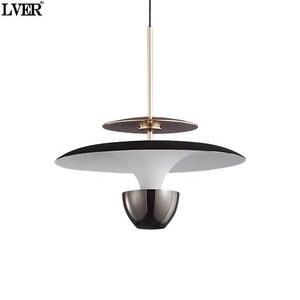
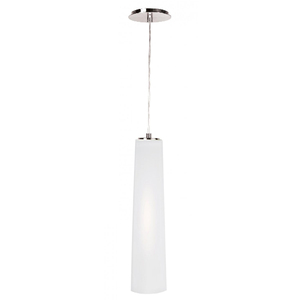
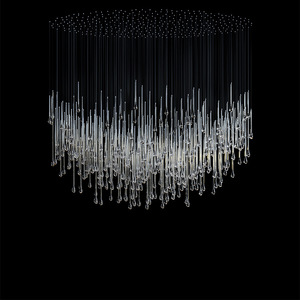
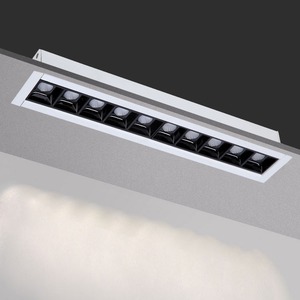
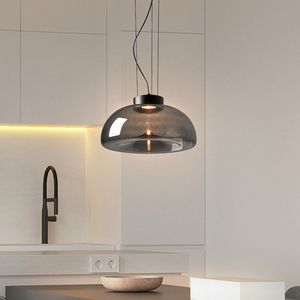
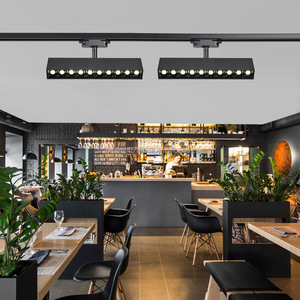
The Japanese architectural landscape demands an extraordinarily delicate balance between spatial economy, subtle illumination, and rigorous engineering compliance. Unlike Western commercial environments that often prioritize high ambient illumination, Japanese spatial design—steeped in the aesthetic philosophy of In'ei Raizan (Praise of Shadows)—relies heavily on peripheral, indirect wall lighting to define boundary, texture, and emotional depth. Consequently, sourcing custom wall sconces in Japan involves far more than simply selecting aesthetic housing; it mandates precision manufacturing that integrates seamless thermal management, ultra-compact driver cavities, strict PSE (Electrical Appliance and Material Safety Law) compliance, and seismic mounting integrity designed for high-earthquake-risk environments.
This whitepaper serves as an authoritative guide for lighting specifiers, architectural procurement officers, and interior designers operating in Tokyo, Osaka, Kyoto, and regional developments across Japan. It delineates the technical parameters required when selecting custom lighting factories, evaluating OEM/ODM manufacturing pipelines, and executing seamless lighting installations within modern hospitality, high-end commercial towers, and heritage ryokan renovations.
“In contemporary Japanese spatial design, the wall sconce is not merely a light source; it is a structural architectural element that modulates shadows, highlights natural material patinas, and must satisfy stringent JIS C 8105 structural and safety criteria.”

Our engineering methodology addresses the precise technical needs of Japanese project directors. By operating a direct-factory model with complete vertical integration—from CNC brass turning and laser cutting to hand-applied patinas and spectral LED calibration—we eliminate middle-tier discrepancies. Specifiers gain direct access to shop drawings (CAD/REVIT), photometric IES file customization, and physical finish submittals tailored to the exacting expectations of Japanese General Contractors (Taisei, Kajima, Takenaka).
Custom wall sconces manufactured for the Japanese market must adapt to specific regional and architectural typologies. Below are the core integration environments where custom engineering provides measurable performance gains:
Integration with natural materials like cedar (Sugi), Hinoki wood, and textured Washi paper requires wall sconces engineered with ultra-warm CCT (2200K to 2700K) and zero-flicker sub-1% dimming drivers. Custom slim profiles prevent visual intrusion into narrow tatami corridors while maintaining diffuse, ambient wall grazing.
High-traffic public corridors and elevator lobbies demand wall sconces with shallow mounting depths (ADA compliant under 100mm) to maximize clear walking space under Japanese Building Standard Law. Metallic finishes—such as hand-brushed gunmetal, satin brass, and antique bronze—provide understated durability.
Luxury retail displays require high-color-fidelity accent sconces (CRI Ra>98, R9>90) to accurately render fabric hues and jewelry textures. Custom optics with interchangeable beam angles allow visual merchandisers to reconfigure light distribution dynamically.

In high-seismic active zones across Japan, wall sconces in public infrastructure must incorporate dual-retention safety mechanisms. Our custom manufacturing facility builds specialized mounting plates rated for 1.5G seismic acceleration forces, preventing accidental detachment during seismic events while simplifying periodic maintenance access for engineering crews.
When evaluating custom lighting manufacturers, technical alignment with Japanese domestic electrical networks and safety regulations is paramount. The table below outlines key specification parameters delivered by our engineering workshop:
| Specification Parameter | Standard Import Specification | Japan Localized Custom Standard | Engineering Benefit |
|---|---|---|---|
| Input Voltage / Frequency | 120V - 277V / 60Hz | 100V AC Universal (50Hz Tokyo / 60Hz Osaka) | Eliminates driver overheating and flickering caused by voltage mismatch. |
| Regulatory Certification | UL / CE Mark | PSE Mark (Circle / Diamond PSE Compliance) | Fulfills mandatory Japanese Electrical Appliance Safety Law regulations. |
| Seismic Load Capability | Standard Screw Anchors | JIS Standard Seismic Bracket (1.0G - 1.5G Rated) | Guarantees fixture retention during high-magnitude earthquake events. |
| Dimming Protocol | Standard Phase Cut / 0-10V | DALI-2, PWM, PWM-to-100V, Full-2way Integrated | Seamless interaction with Lutron, Panasonic, and local lighting automation. |
| Corrosion Resistance | Basic Powder Coating | Multi-Layer Electrophoretic / Hand Patina + Clear Lacquer | Prevents oxidation in humid coastal areas (Okinawa, coastal Hokkaido). |
As an established custom architectural lighting factory supplying worldwide luxury projects, our operations bridge designer vision with industrial feasibility. Rather than offering rigid off-the-shelf items, our production lines operate on a fully custom, project-by-project basis:
Precision machining of solid brass, aluminum extrusion, stainless steel, and bronze. Our craftsmen execute seamless welding, hand-chasing, and satin spinning to match physical material boards provided by design teams.
Direct sourcing and crafting of hand-woven linens, optical-grade acrylic diffusers, mouth-blown borosilicate glass, and natural wood veneers treated with fire-retardant clear coatings compliant with Japanese interior safety codes.
Detailed CAD shop drawings and photometric simulation files (IES) delivered within 72 hours of project intake. Rapid physical mock-up prototyping available for submittal reviews and hotel model-room installations.
Proactive Engineering: We review architectural CAD floorplans and electrical schematics to pre-engineer mounting backplates, ensuring direct fitment over standard Japanese J-Boxes (JIS C 8340 outlet boxes) without field modification.
The commercial wall sconce market in Japan is experiencing three major transformations driven by architectural innovations and sustainability directives:
1. Human-Centric Lighting (HCL) & Dynamic Tunable White: Hospitality venues across Japan are moving rapidly toward circadian rhythm control. Sconces now integrate dual-chip LED light engines (2200K to 5000K) controlled via DALI-2 protocols, enabling smooth transitional scenes that reflect natural sunlight progression from dawn to nightfall.
2. Material Honesty and Sustainable Metallurgy: Modern specifiers are moving away from electroplated plastics in favor of authentic, recyclable metals. Solid brass and raw copper sconces that develop a natural patina over time are increasingly favored in boutique commercial spaces for their organic longevity.
3. Compact Backplate Miniaturization: With Japanese urban real estate prioritizing maximum usable floor area, architectural wall sconces are moving toward ultra-compact remote-driver designs. Micro-canopies flush with plaster walls provide an integrated visual appearance without bulky electrical housings.
Below are common technical inquiries raised by architectural teams, interior designers, and procurement managers when sourcing custom wall sconces for deployment in Japan:
Upload your CAD drawings, spatial sketches, or finish requirements. Our engineering team returns fully detailed shop drawings and budgetary quotes within 24 hours.