Explore our engineering-grade step lighting collection. Each luminaire is engineered for precise optic control, damp/wet location durability, and seamless architectural integration.
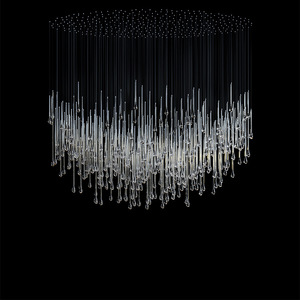
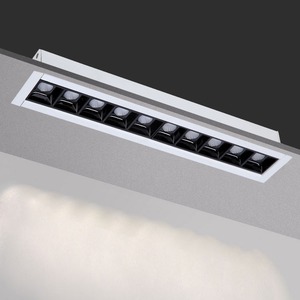
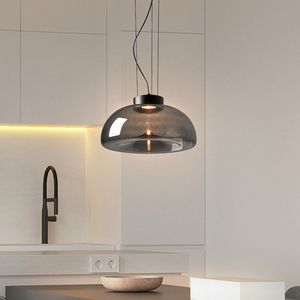
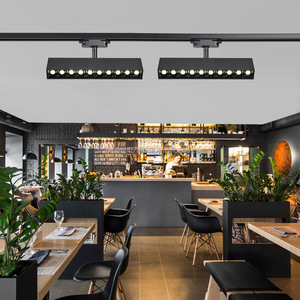
Modern step lighting has transitioned from elementary safety orientation markers to critical architectural components that define spatial geometry, satisfy stringent life-safety codes, and elevate high-end interior and exterior environments. For lighting designers, electrical engineers, hospitality procurement directors, and master distributors, evaluating manufacturers and OEM/ODM suppliers requires looking far beyond initial unit price.
The global architectural step lights market demands robust engineering capabilities capable of handling complex installation parameters: low-plenum wall cavities, ADA projection limits (less than 4 inches depth), harsh thermal cycles, and rigorous water/dust ingress standard compliance. Leading manufacturers distinguish themselves not merely by lamp assembly, but through comprehensive mechanical, optical, and electrical customization capability.
Specifying specification-grade step lights built on modular platform design reduces long-term maintenance costs by up to 64%. By separating optical engines and drivers from recessed wall cans, facilities management teams can upgrade drivers or retro-fit smart controls (DALI-2 / Zigbee 3.0 / 0-10V) without disturbing finished drywall, stone facades, or custom wood wall cladding.
When curating vendor lists for international hotel chains, corporate headquarters, and municipal landscape infrastructure, top-tier engineering consultancies use a multi-tiered verification framework. Ensuring a supplier meets Search Quality E-E-A-T (Experience, Expertise, Authoritativeness, and Trustworthiness) standards means scrutinizing their structural, material, and optical credentials.
Superior durability relies on marine-grade 316 stainless steel, heavy-cast C36000 brass, or die-cast A360 aluminum. Inferior alloys subject to coastal salt fog erode rapidly, leading to aesthetic decay and lens seal failure.
Illuminating step treads requires strict cutoff angles. Micro-louvered baffles, asymmetrical forward-throw lenses, and warm 2700K–3000K CCT optics direct lumens downward onto the tread without emitting high-angle glare into pedestrian vision cones.
Thermal mitigation is key in compact recessed step housing. Premium step lights integrate high-thermal-conductivity aluminum PCB substrates and potted driver cavities that protect against ambient temperature spikes up to 50°C.
To assist specifiers in building submittal packages that prevent lower-tier product substitution on-site, the following comparison matrix details critical mechanical and optical performance metrics.
| Performance Feature | Specification-Grade (ILEX Partner Standard) | Commodity / Retail Grade |
|---|---|---|
| Housing Construction | Precision Cast Brass, 316 Stainless Steel, or Heavy Extruded 6063 Aluminum | Stamped Sheet Metal or Recycled ABS Plastic |
| Driver Compatibility | Universal 120-277V, 0-10V, DALI-2, Phase Dimmable, Integrated Emergency Battery Backups | Non-dimmable 12V or fixed voltage line drivers with limited lifespan |
| Finish Customization | 30+ hand-applied metal patinas, custom powder-coat matching, natural wood veneers | Standard single-coat wet paint (susceptible to chipping and UV degradation) |
| Ingress & Impact Rating | IP65 to IP68 sealed optics; IK08 to IK10 mechanical impact protection | Unrated or basic IP44 damp location rating without continuous seal testing |
| Photometric Submittals | IES Files, BIM/Revit models, submittal shop drawings generated per project scale | Generic lumen spec sheets without verified goniophotometer testing data |
The step and path lighting sector is undergoing rapid evolution driven by energy efficiency standards, smart building integration, and human-centric lighting designs. Purchasing managers and project engineers should factor the following 5-year trends into their long-term supply chain planning:
International Dark-Sky Association (IDA) guidelines are expanding from municipal streets into commercial hospitality and residential developments. Next-generation step lights feature zero-uplight (U0) distributions, precise forward-throw lenses, and 590nm narrow-spectrum amber LED options for ecologically sensitive coastal zones.
Centralized 24V DC driver systems and Power-over-Ethernet (PoE) architectures are displacing line-voltage step lighting installations. Running Class 2 low-voltage wiring eliminates the need for bulky junction boxes and heavy conduit inside shallow interior drywall partitions, lowering installation labor by up to 40%.
Design teams are moving away from traditional surface-bound metal faceplates in favor of trimless, mud-in recessed housings. Flush step lights integrate smoothly into drywall, cast concrete, and natural stone, rendering the fixture invisible by day while projecting precise pools of illumination across steps at night.
Aligning step lighting with circadian rhythm protocols (Dim-to-Warm technology that shifts seamlessly from 3000K daytime illumination to 1800K soft amber lighting at night) has become a baseline expectation for 5-star hotel lobbies and luxury multi-family developments.
Built upon a rich heritage of custom engineering and USA hand-crafted assembly, our architectural lighting platform delivers custom scale, finish precision, and specification-grade durability across ceiling, wall, pendant, and step lighting typologies.
Metal cutting, welding, metal spinning, patina finishing, shade sewing, and final wiring are executed under one unified roof. This streamlined manufacturing model allows our design team to return custom shop drawings within days rather than weeks.
From hand-applied antique brass patinas and satin nickel to custom powder-coated color matching and natural wood veneers, our material catalog enables specifiers to align step and wall luminaires perfectly with surrounding architectural millwork.
Whether re-scaling a recessed wall step fixture to fit low-plenum metal studs or engineering 9-foot custom lobby sconces for landmark historic renovations like Grand Central Terminal, our engineering department adapts designs to your exact structural blueprints.
According to the Americans with Disabilities Act (ADA), wall-mounted luminaires installed in walkways, halls, corridors, or aisles between 27 inches (685 mm) and 80 inches (2030 mm) above the finished floor must not project more than 4 inches (100 mm) into the circulation space. Recessed step lights are intrinsically ADA-compliant as they sit flush with the wall wall surface, while surface-mounted step models must be specified with low-profile housings under 4 inches deep.
Yes. Because every fixture in our architectural platform is hand-assembled to order, stem lengths, backplate dimensions, faceplate materials, lens cutoffs, and input voltages (12V AC/DC, 24V DC, 120-277V AC, or 347V AC for institutional projects) can be custom engineered to match your precise mounting submittal requirements.
For outdoor step applications exposed to direct rainfall, irrigation spray, or snow accumulation, a minimum ingress rating of IP65 is recommended. For stair treads located in low-lying garden zones, coastal decks, or submerged pool/fountain steps, specifiers should select IP67 or IP68 rated fixtures featuring potted driver cavities and silicone gasketed optics.
Design teams can request physical finish samples (metal plates, wood veneers, and fabric swatches) as well as IES photometric files and BIM/Revit models directly through our regional representatives or by contacting our engineering sales department via the catalog request portal.
Our integrated LED step light modules support all standard architectural dimming protocols, including 0-10V sink/source, Reverse-Phase / ELV, Forward-Phase / TRIAC, DALI-2 digital control, and wireless Zigbee/Casambi protocols for smart building management systems.
Partner with an industry-trusted manufacturer for your next hospitality, corporate, or high-end residential installation. Access detailed product specifications, photometrics, finish samples, and CAD drawings.
Get Catalog