Explore our specification-grade commercial luminaires engineered for architectural integration, low glare, high luminous efficacy, and scalable project performance.
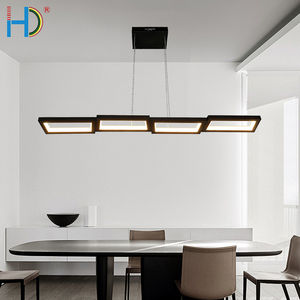
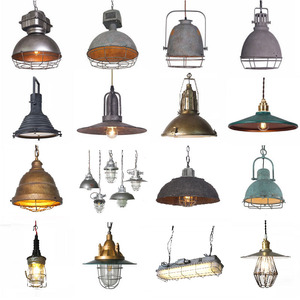
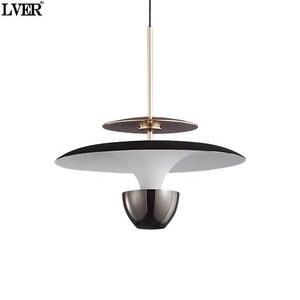
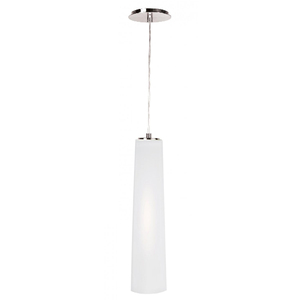
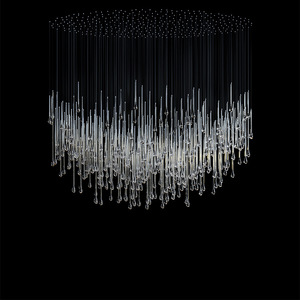
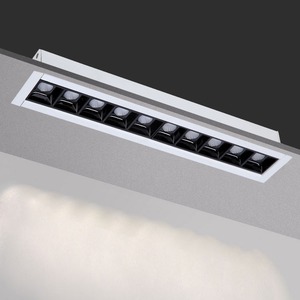
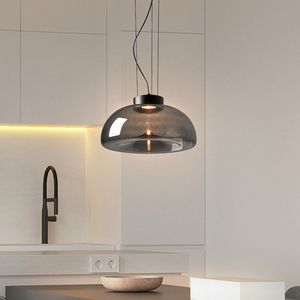
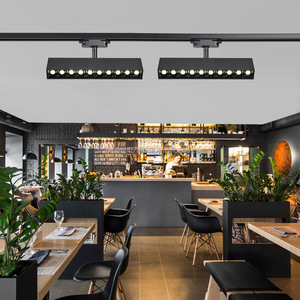
Built upon a legacy of precision craftsmanship and specification-grade engineering, we empower architects, lighting designers, and corporate specifiers with tailored lighting ecosystems.
From initial shop drawing drafting to metal fabrication, precision spinning, CNC milling, hand-applied patinas, and final electrical testing—every luminaire is hand-assembled under one roof in our state-of-the-art workshop.
Select from over 30 standard hand-applied metal patinas, natural solid wood veneers, hand-sewn organic linens, silk shades, and powder-coated architectural tones to match exact interior design submittal specifications.
Whether scaling a 9-foot custom wall sconce for a historic terminal or configuring a 24-inch custom globe pendant matrix, our engineering team modifies drops, diameters, and mounting profiles around your structural plans.
Commercial office lighting has evolved from a basic functional amenity into a primary strategic asset for corporate enterprise management. As commercial real estate transitions toward modern flexible working models, high-performance office lighting design must balance strict energy mandates (such as ASHRAE 90.1, California Title 24, and LEED v4.1 certifications) with human-centric lighting (HCL) principles. A trusted office lighting supplier must deliver more than mere fixtures; they must provide photometrically validated optical systems that optimize circadian alignment, reduce visual fatigue, and integrate seamlessly into building management networks.
Modern office environments present rigorous visual demands. Extended interaction with digital displays causes high susceptibility to glare and visual strain. Specification-grade architectural luminaires address this by maintaining a Unified Glare Rating (UGR) below 19 through micro-prismatic optics, secondary reflection systems, and deep-recessed LED architectures.
Furthermore, biological circadian entrainment relies heavily on spectral power distribution (SPD) across the working day. By incorporating Tunable White Technology (2700K to 6500K) with high Color Rendering Index (CRI > 90, R9 > 50), modern office lighting mimics daylight transitions. High morning blue-weighted light boosts cortisol production and focus, while warm, low-intensity spectra in the late afternoon facilitate melatonin production, supporting employee wellness and physiological performance.
The digitization of office infrastructure demands intelligent control topologies. Modern commercial projects are moving away from rigid 0-10V analog wiring toward addressable, bidirectional communication protocols:
Strategic procurement directors evaluate lighting suppliers based on lifecycle value rather than initial capital outlay (CapEx). A comprehensive Total Cost of Ownership (TCO) calculation encompasses initial fixture cost, installation labor, energy consumption (kWh), maintenance intervals, and end-of-life circularity.
By utilizing modular, toolless driver replaceability, premium thermal management dies (maintaining junction temperatures below 65°C), and recyclable aluminum housing, specification-grade office fixtures achieve an operational service life exceeding 50,000 to 100,000 hours (L80/B10 rating). This dramatically curtails maintenance overhead and prevents landfill waste, supporting ESG commitments.
Navigating the next decade of commercial lighting acquisition demands foresight across smart controls, supply chain traceability, and customized architectural scalability.
Global right-to-repair legislation and circular economy mandates are shifting enterprise buyers away from sealed, disposable luminaires. Procurement teams now require modular light engines and independent, field-replaceable drivers to ensure multi-decade operational viability.
As lighting nodes connect directly to corporate networks via IoT gateways, cybersecurity standards such as ETSI EN 303 645 and UL 2900 are becoming mandatory in enterprise purchasing RFPs to eliminate network vulnerability vectors.
Standard off-the-shelf lighting often fails to fit distinct ceiling plenums, acoustic grid systems, or complex interior elevations. Future procurement favors agile suppliers capable of delivering fast-track shop drawings and customized fixture lengths within standard lead times.
From headquarters lobbies to high-density working floors, see how our customized lighting engineering translates into world-class interior spaces.


Essential guidance for lighting specifiers, electrical engineers, architects, and corporate procurement teams.
Yes. Every standard luminaire in our catalog serves as a specification-grade engineering foundation. Because each fixture is built to order in our integrated workshop, diameter, overall drop length, suspension stem configuration, shade fabric, and metal finish can be re-engineered around your exact ceiling elevations and electrical rough-in plans.
Specifiers can select across three distinct material libraries: Hand-applied Standard Metal Finishes (brushed brass, satin nickel, antiqued bronzes, matte black), Natural Wood Finishes (walnut, oak, maple veneers), and Organic Shade/Linen Finishes. Physical finish plates and material chips can be requested through your local representative for submittal packages.
Absolutley. We engineer dedicated ADA-compliant low-profile wall sconces (projecting 4 inches or less from the finished wall surface) for public corridors and egress routes. Additionally, fixtures are designed to meet damp-location requirements, UL/ETL safety standards, and Title 24 energy efficiency criteria.
Our luminaires support a wide range of control protocols, including standard 0-10V analog dimming, TRIAC/ELV phase dimming, DALI-2 addressable control, and integrated wireless smart nodes (Zigbee 3.0, Bluetooth Mesh, Lutron Ecosystem, and Casambi). Driver specifications are confirmed during the shop drawing submittal phase.
To initiate a custom design or modification, submit your architectural plans, elevations, or reference imagery to our technical sales team. Our engineering department returns formal submittal shop drawings complete with exact dimensions, mounting details, photometric summaries (IES files), electrical wiring diagrams, and material specifications prior to fabrication release.
Connect with our engineering team today to request photometric IES files, physical finish samples, customized shop drawings, or competitive project quotations.
Inquire Now