Specification-grade luminaires engineered for uncompromising outdoor performance, high thermal dissipation, and refined aesthetic integration.
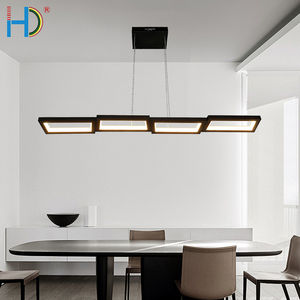
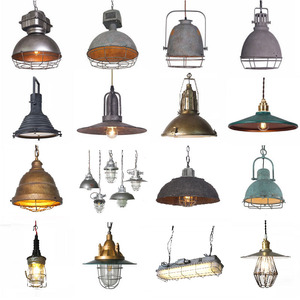
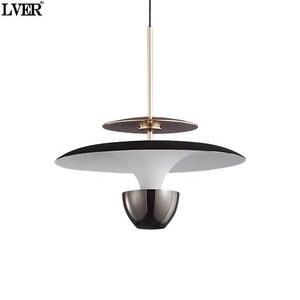
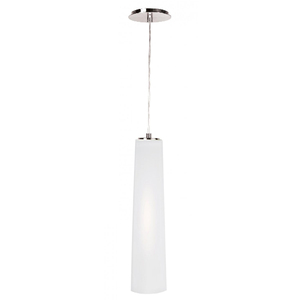
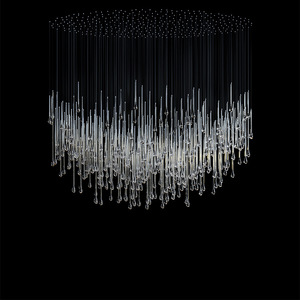
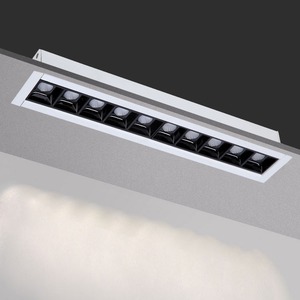
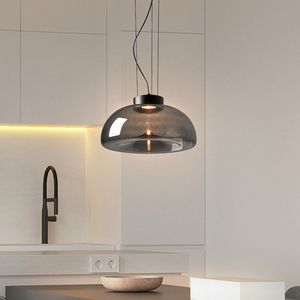
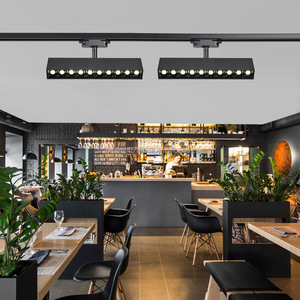
Why premier lighting specifiers, architectural firms, and procurement officers partner with our manufacturing facility for high-integrity installations.
From initial shop drawing conceptualization to CNC metal turning, laser cutting, hand-applied patinas, vacuum sealing, and final wiring, our integrated facility ensures total quality traceability without third-party outsourcing delays.
Inground and subterranean lighting fixtures face brutal environmental stressors. Our luminaires utilize 316L passivation-grade stainless steel faceplates, die-cast ADC12 aluminum thermal housings, and anti-hydrostatic pressure seals.
Select from hand-applied metal patinas, satin anodized coatings, natural timber veneers, and powder-coated architectural tones. Every finish plate undergoes accelerated salt-spray and UV weathering testing prior to project submittal.
We eliminate specification friction. Our dedicated engineering desk delivers CAD elevations, 3D BIM models, photometric IES files, and submittal sheets within 48 to 72 hours to keep municipal and commercial schedules on track.
Our illumination engines integrate seamlessly into modern smart building control systems, supporting DALI-2 DT8, 0-10V analog dimming, Zigbee 3.0 mesh networks, and phase-cut TRIAC protocols for dynamic scene management.
As modern urban architecture pushes boundaries toward integrated subterranean aesthetics, ground-recessed and inground luminaires have evolved from simple accent markers to critical architectural elements. Specifying the top trusted inground lights manufacturer requires a rigorous evaluation of structural load capacity, thermal dynamics, optical glare control, and long-term water ingress barrier technologies.
“Subsurface lighting installations represent the most hostile operating environment in architectural lighting. Fixtures are subjected to standing water head pressures, soil pH variations, drive-over mechanical loads, and thermal expansion cycles. Specification success relies heavily on structural isolation and active moisture management.”
Inground luminaires installed in pedestrian plazas, driveways, hotel drop-off zones, and municipal walkways must withstand continuous dynamic load stress. Industrial standards divide inground fixtures into static and dynamic load categories according to EN 60598-2-13 and IEC 62262 standards:
| Load Class | Static Weight Rating | Impact Energy (IK Rating) | Primary Application Environment |
|---|---|---|---|
| Pedestrian (A1) | Up to 5 kN (500 kg) | IK08 (5 Joules) | Parks, elevated decks, indoor hotel courtyards, residential gardens. |
| Commercial Drive-Over (B2) | Up to 20 kN (2,000 kg) | IK09 (10 Joules) | Low-speed vehicular lanes, driveways, commercial plazas. |
| Heavy Transit (C3) | Up to 50 kN (5,000 kg) | IK10 (20 Joules) | Hotel entryways, public streetscapes, emergency vehicle access paths. |
Our heavy-duty inground luminaires utilize forged 316L stainless steel trim rings combined with high-tensile 12mm to 15mm toughened safety glass. This optical window undergoes thermal shock treatment to ensure zero micro-fracturing under rapid rain-quench conditions when the fixture operates at elevated temperatures.
Water ingress remains the primary failure mode for inferior subterranean lighting fixtures. Water entering an inground light rarely comes from direct rain alone; it is frequently forced inside by vacuum suction created by internal heating and cooling cycles. When the LED engine activates, internal air heats up and expands. When turned off, the internal air rapidly cools, forming a negative pressure vacuum that draws in moisture from the surrounding wet soil or mounting sleeve.
To eliminate this destructive vacuum effect, our manufacturing team incorporates a dual-protection engineering protocol:
Direct vertical illumination from ground levels can introduce uncomfortable glare for pedestrians and drivers. Specification-grade inground lighting requires advanced optical distribution options:
Key technology shifts transforming B2B architectural lighting sourcing, sustainability mandates, and project specifications for 2025–2030.
Procurement teams are shifting away from throwaway, fully-potted fixtures toward modular inground light architectures. Modern specifications mandate replaceable LED light engines and driver modules. Our design allows field servicing without disturbing the underlying concrete installation sleeve or landscape paving.
Global environmental regulations increasingly restrict upward light pollution and disruption to nocturnal wildlife. Future-ready inground procurement centers on full cut-off optical accessories, narrow-band amber LEDs (590nm), and dynamic 2200K to 3000K warm CCT shifting that reduces blue-light scattering in urban atmospheres.
Subsurface fixtures are expanding beyond illumination to serve as concealed IoT network nodes. By integrating low-power Bluetooth Mesh and Zigbee 3.0 transceivers inside composite signal-permeable top rings, commercial landscapes can gather foot-traffic analytics and monitor soil moisture sensors seamlessly.
The manufacturing landscape for high-performance outdoor luminaires is undergoing significant material science evolution. To maintain competitive advantage, top suppliers are integrating advanced metallics and intelligent thermal dissipation media into standard product lines.
High-lumen inground spotlights generate concentrated heat within enclosed ground sleeves, where natural air convection is virtually absent. Next-generation luminaires incorporate high-thermal-conductivity graphite heat pads and phase-change thermal interface materials (TIM). These components rapidly draw heat away from the COB (Chip-on-Board) substrate directly into the surrounding soil mass, extending L70 lumen maintenance past 60,000 operational hours.
Coastal and high-salinity hospitality resorts require exceptional protection against salt-fog corrosion. Standard powder coatings often chip or bubble when exposed to coastal air and chemical lawn fertilizers. Advanced passivated 316L stainless steel combined with physical vapor deposition (PVD) titanium coatings provides near-indestructible surface barriers that preserve architectural elegance for decades.
Modern electrical codes demand Total Harmonic Distortion (THD) below 10% and Power Factor (PF) exceeding 0.95 across all dimming ranges. Our proprietary driver electronics maintain flicker-free performance down to 0.1% light output, meeting IEEE 1789 health standards for commercial spaces and broadcast video environments.
Essential insights for engineering leads, landscape architects, and global sourcing specialists.
We eliminate condensation through a combination of ePTFE hydrophobic breathing valves that equalize internal air pressure, factory vacuum-sealing with dry nitrogen flushing, integrated internal desiccant packs, and solid polyurethane anti-siphon barriers on all power input cables.
IP67 certifies protection against temporary submersion in water up to 1 meter depth for 30 minutes. IP68 certifies continuous submersion under specified pressure heads. Our inground luminaires are rated IP68 at up to 3 meters continuous depth, making them suitable for flooded landscape conditions and high water tables.
Yes. Because every luminaire is hand-assembled in our single-roof manufacturing workshop, drop lengths, mounting plate dimensions, beam angles, color temperatures (2200K–6000K, RGBW, Tunable White), and over 30 hand-applied metal or shade finishes can be modified to match your exact CAD submittals.
All our lighting products are engineered to specification-grade standards, meeting UL 1598, CE, SAA, RoHS, and ADA compliance standards (for low-profile wall and walkway fixtures). We supply complete photometric IES files, LM-79, and LM-80 test reports for submittal packages.
Drive-over installations require dedicated plastic or aluminum rough-in recessed housings embedded within a proper gravel drainage base (minimum 200mm depth beneath the canister). This setup ensures structural support across the top stainless ring and prevents prolonged water pooling around the housing.
Our power supplies support all standard commercial lighting protocols including DALI-2 (DT6/DT8), 0-10V / 1-10V analog dimming, phase-cut ELV/TRIAC, DMX512/RDM for color-changing scenes, and wireless Zigbee 3.0 or Casambi mesh networks.
Our dedicated engineering office delivers complete shop drawings with dimensions, material callouts, and photometric breakdowns within 48 to 72 hours. Physical finish plates and sample fixtures are dispatched rapidly via international courier to facilitate client submittal reviews.
Click any of the quote request buttons on this page to open an instant line with our technical sales team, or submit your project drawings directly to our specification desk for an line-by-line quotation within 24 business hours.
Bring your architectural lighting vision to life with precision-engineered luminaires, custom hand-applied finishes, and full submittal engineering support.
Get a Quote