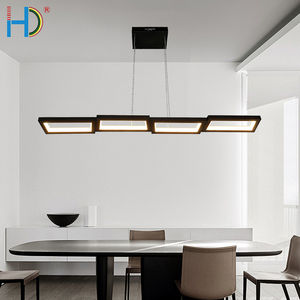
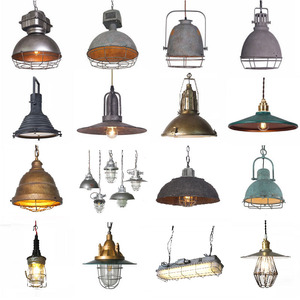
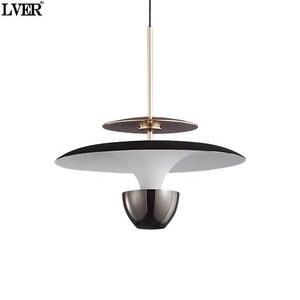
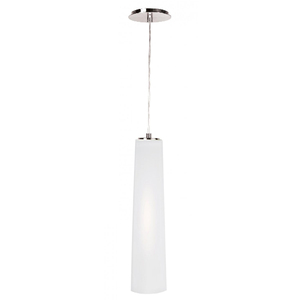
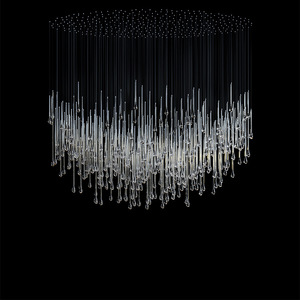
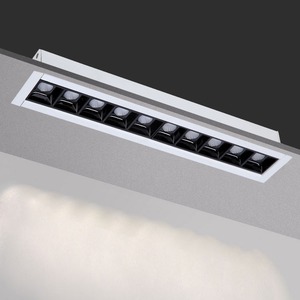
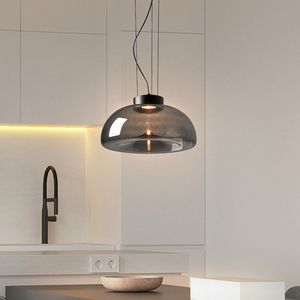
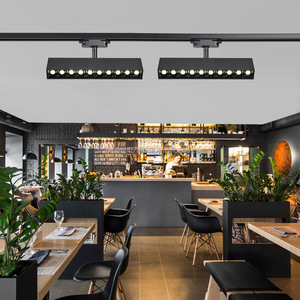
In modern architectural lighting design, flexible LED strip systems and linear aluminum extrusions are no longer passive accent elements; they are essential structural sources of ambient, task, and wall-grazing illumination. As an established OEM/ODM Strip Lighting Factory & Original Manufacturer, our engineering workflow bridges the gap between ambitious artistic vision and specification-grade physical performance.
Custom OEM/ODM manufacturing demands total mastery over the optoelectronic assembly chain. From raw PCB layout and copper trace thickness selection to precise SDCM binning, silicone encapsulation, and custom aluminum extrusion design, every variable dictates system longevity, photometrical consistency, and compliance with rigorous global building codes.
Our OEM PCB fabrication capabilities support custom widths (from ultra-narrow 3mm micro-strips to 30mm double-row boards), specific cut-point intervals (down to 10mm increments), and specialized LED chip packaging including COB (Chip-on-Board), CSP (Chip Scale Package), and high-density SMD 2835/5050. By enforcing strict 2-step MacAdam ellipse binning protocols, we ensure that linear runs spanning entire building lobbies or hospitality corridors maintain pristine color temperature cohesion without visible shift.
Thermal management directly dictates LED lumen maintenance (L80/B10 ratings above 60,000 hours). Our in-house extrusion tooling facility designs and manufactures aircraft-grade 6063-T5 aluminum profiles in over 30 architectural finishes—including hand-applied patinas, satin anodizing, textured powder coats, and natural wood grain transfers. Matched with custom optical diffusers (black dark-light lenses, 10° narrow optical TIR lenses, and dotless frosted silicone diffusers), we engineer complete linear luminaire assemblies ready for submittal packages.
Selection guide for lighting designers, procurement managers, and engineering teams specifying custom linear engines.
| Technology Platform | Luminous Efficacy | Flexibility & Bend Radius | Dot-Free Beam Appearance | Ideal Architectural Application |
|---|---|---|---|---|
| COB (Chip-on-Board) | 100 - 130 lm/W | High (R10mm tight bend) | 180° Seamless Continuous Line | Low-profile shallow recess, under-cabinet, direct-view linear channels |
| High-Density SMD (2835) | 140 - 180 lm/W | Standard (R30mm) | Requires 15mm+ profile depth | High-output indirect cove lighting, wall washing, primary room illumination |
| CSP (Chip Scale Package) | 120 - 150 lm/W | Ultra-High (Omni-directional) | Near-Seamless with micro-lens | Micro-linear recessed channels, curved architectural contours |
| Tunable White (2-in-1 / 5-in-1) | 95 - 125 lm/W | Standard Flex | Smooth Dynamic Color Mixing | Human Centric Lighting (HCL), dynamic office & luxury residential spaces |
As commercial lighting procurement shifts toward sustainable building certifications (LEED v4.1, WELL Building Standard, BREEAM), purchasing directors and OEM specifiers must align with factories capable of delivering verifiable optical performance, environmental accountability, and advanced digital control integration.
Traditional 12V and 24V linear LED strips suffer from voltage drop on extended runs, leading to visible light dimming toward the tail end of the tape. Future-proof procurement heavily favors 48V DC Constant-Current strip topologies. Operating at 48V cuts current draw in half, reducing copper heat dissipation and allowing single-feed linear runs of up to 20–30 continuous meters without power injection modules—dramatically lowering electrical installation costs for large hospitality spaces and airport terminals.
Procurement teams are moving away from simple static dimming (0-10V or Phase) toward smart, addressable protocols built directly into the fixture assembly. Modern OEM strip lighting projects now mandate DALI-2 Part 207/209 (DT8) multi-channel control for seamless Tunable White (CCT 2200K to 6500K) and RGBW color management over unified 2-wire control buses, or integrated wireless nodes using Zigbee 3.0 and CASAMBI mesh networking.
Global brand owners and hotel developers increasingly require supply chain transparency. Modern strip lighting manufacturing must emphasize recyclable aluminum alloys, lead-free HASL/ENIG PCB surfaces, halogen-free silicone encapsulants, and modular driver/engine repairability to meet circular economy mandates and reduce embodied carbon footprint.
Instead of relying on diffuse illumination, modern interior wall grazing calls for strip lights integrated with micro-extruded optical lenses (e.g., 15°x45° asymmetric distribution). This enables dramatic textured wall highlighting from a channel as narrow as 12mm wide, transforming linear tape into precise wall-washing light instruments.
The technical evolution of linear lighting is accelerating toward extreme miniaturization, higher luminous efficiency, and adaptive spectral tuning. Factories offering OEM/ODM services must continually upgrade their SMT lines and testing infrastructure to stay ahead of market demands.


Traditional blue-pump LED chips with broad yellow phosphor create spectral spikes that distort color perception and cause eye fatigue. Next-generation OEM strip lights utilize violet-pump full-spectrum chips (SunLike technology), mimicking natural sunlight across the visible spectrum (380nm–780nm) with TM-30 fidelity scores (Rf > 97, Rg ≈ 100). This technology is fast becoming mandatory in luxury residential, museum display cases, and corporate wellness offices.
Moving beyond rigid aluminum channels, solid-state silicone co-extrusion technology enables 3D-bendable flexible neon strips capable of twisting across complex curved ceiling vaults and organic architectural facades. In-line silicone extrusion achieves IP68 waterproof ratings, salt-spray resistance, and UV stability without yellowing over time, far outperforming legacy PVC materials.
Clear, technical answers to assist procurement officers, lighting specifiers, and brand managers in vetting supplier capabilities before submittal release.
Because every architectural project demands specific drops, custom CCTs, or unique profile dimensions, our engineering factory maintains a flexible workflow. Standard LED flex tape custom packaging has an MOQ starting as low as 500 meters. For fully customized aluminum extrusions or unique mechanical fixture housings, custom tooling is completed within 12–15 days, and rapid prototypes (including fully wired samples with Photometric IES files) are produced within 5–7 business days.
Color consistency is governed at the chip sourcing and LED packaging level. We lock in dedicated 2-step MacAdam ellipse binning (SDCM < 2) with top-tier LED chip manufacturers (Nichia, Bridgelux, Epistar, San’an). Every incoming LED batch undergoes spectroradiometer testing in our internal QA lab, and batch records are logged into our ERP system to ensure exact color temperature matching for replacement parts or multi-phase construction projects years later.
Yes. As demonstrated in our project experience (such as Marriott Residence Inn guestroom lighting and corporate lobby suspensions), our engineering team designs complete plug-and-play assemblies. This includes pre-wiring custom lengths with quick-connect IP67 joiners, factory-integrating Class 2 drivers (0-10V, Phase, DALI-2, Zigbee), and custom-cutting aluminum channels so on-site installation requires minimal labor and zero field soldering.
Thermal management is verified through FLIR thermal imaging and thermocouple junction temperature logging under ambient conditions up to 50°C. All OEM/ODM linear assemblies are engineered to meet global commercial standards, carrying cULus (UL2108 / UL1598), CE, RoHS, SAA, and damp/wet location compliance depending on destination market specifications.
Absolutly. Every custom linear optic engine and fixture configuration tested in our Goniophotometer darkroom generates verified .IES and .LDT photometric files. Lighting designers can seamlessly import these data files into Dialux or Relux software to model lux levels, uniformity, and glare ratings (UGR < 19) during the submittal phase.
For continuous linear coves exceeding 10 meters without multiple power drop locations, we recommend either 48V DC constant-current flex strips or continuous-current IC driver chips populated directly on 3 Oz rolled copper flex PCBs. These configurations guarantee uniform brightness and color from meter 1 to meter 30 with zero visible light loss.
Specifiers can select from over 30 standard and premium custom finishes, including hand-applied patinas (brushed brass, antique bronze, aged copper), natural hardwoods, satin anodized metals, and custom RAL powder coatings. Physical finish sample plates can be dispatched via express carrier for design team approval prior to full production runs.
Simply click our inquiry button below to share your design drawings, CAD profiles, or tender specifications. Our technical engineering team will review your photometric requirements, dimensional constraints, and driver specifications, returning a comprehensive shop drawing and cost quotation within 24 to 48 hours.
Built upon a rich heritage of custom architectural manufacturing, our single-roof engineering workshop unifies metal fabrication, optical diffusers, SMT assembly, and hand-applied finishing under strict quality control protocols.
Metal laser cutting, CNC extrusion milling, PCB surface mounting, automated soldering, and photometric testing under one roof for complete supply chain traceability.
From specification-grade architectural bronze patinas to natural wood veneers and hand-stitched shades, matching any interior design palette.
Experience scaling from micro-linear strips to 9-foot custom hotel lobby sconces and high-ceiling banquet chandeliers (e.g., Grand Central Terminal, Marriott).
Fully compliant with UL, SAA, CE, and ADA code requirements, supporting multi-region real estate developments seamlessly.
Connect with our OEM/ODM engineering directors to request physical finish samples, custom shop drawings, or factory direct quotations.