
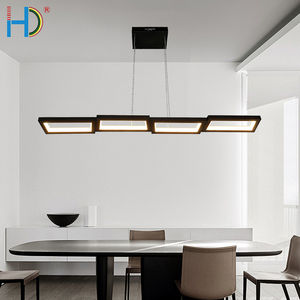
Modern Designer Front Desk & Bar Touch-Switch LED Pendant Light
- Integrated Touch Dimming / CCT Shift
- Application: Hotel Reception & Executive Bar
Engineered to meet rigorous hotel brand requirements including Marriott, Hilton, and IHG standards. Built with high CRI LED sources, custom metal patinas, and advanced dimming driver options.
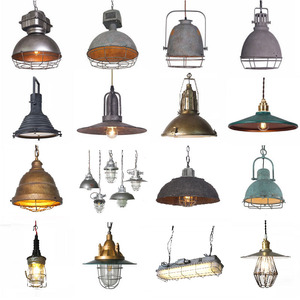
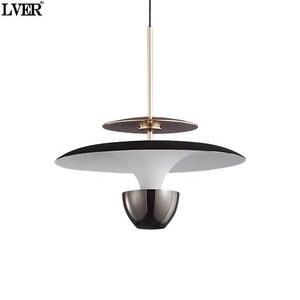
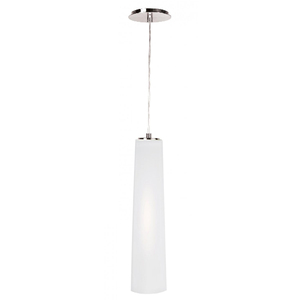
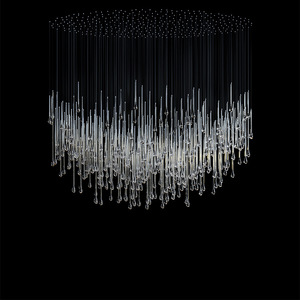
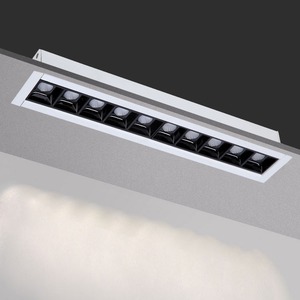
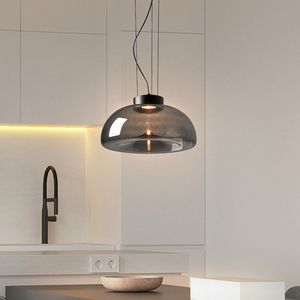
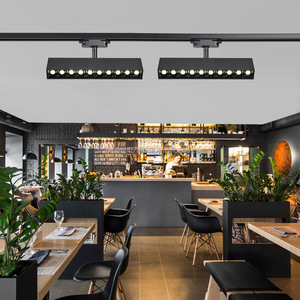
As the global hospitality sector undergoes a rapid transformation driven by experiential interior architecture, stringent energy mandates, and smart building integration, lighting procurement has evolved from a simple fixture purchasing process into an interdisciplinary engineering discipline. International hotel operators, interior design specifiers, and procurement agencies require more than aesthetic appeal; they demand specification-grade structural integrity, precise photometric delivery, strict brand standard compliance, and long-term maintenance scalability.
China has firmly established itself as the world's primary epicenter for high-end hospitality lighting manufacturing. However, top-tier Chinese original equipment manufacturers (OEMs) and original design manufacturers (ODMs) have evolved far beyond mass production. Leading manufacturers operate full-service engineering workshops capable of translating conceptual designer sketches and LOD 300 Revit/BIM models into fully realized, safety-certified architectural luminaires.
Modern commercial and hospitality spaces are increasingly adopting Human-Centric Lighting (HCL) principles to align indoor lighting conditions with natural human circadian rhythms. In luxury hotel lobbies, guestrooms, and wellness lounges, ambient lighting must effortlessly transition across color temperatures—ranging from a crisp 4000K neutral white for day-time functional clarity to a warm, relaxing 2200K dim-to-warm curve for evening ambiance.
Achieving this level of optical performance requires custom optical lens design, specialized PMMA/PC diffusers that eliminate diode hot-spots, and high-CRI LED engines (Ra > 95, R9 > 80). Top-tier exporters integrate flicker-free drivers with modulation frequencies exceeding 3.12 kHz to prevent optical fatigue and video recording interference, fulfilling the stringent photometric standards demanded by international hotel flags.
Unlike residential decorative fixtures, hospitality lighting operates under harsh commercial conditions—enduring continuous 18-to-24-hour daily thermal stress, frequent guest physical contact, aggressive chemical cleaning agents, and high ambient humidity in coastal resort regions. High-specification exporters utilize heavy-gauge die-cast 6063 aluminum, solid forged brass, hand-applied patinas with protective clear coats, real natural wood veneers, and fire-retardant fabric linen shades (UL 94-V0 rated).
To maintain a competitive edge, hospitality developers and procurement managers must align their sourcing strategies with four macro trends currently reshaping the commercial architectural lighting landscape:
The industry is rapidly phasing out isolated, manually switched fixtures. Modern commercial specifiers require luminaires natively wired for open-standard dimming protocols including DALI-2, 0-10V, Triac, Zigbee 3.0, and Matter over Thread. Integrated IoT sensors allow central guest room management systems (GRMS) to monitor power consumption in real time, automate room welcome scenes, and trigger predictive maintenance alerts before LED component failures occur.
Global carbon tax regulations and corporate ESG mandates require supply partners to provide fully transparent Environmental Product Declarations (EPDs). Future procurement heavily favors modular, field-serviceable luminaires built with 100% recyclable aluminum alloys, water-borne zero-VOC finishes, and tool-free driver replacement channels designed to divert commercial electronic waste away from landfills.
Hotel public spaces are evolving into fluid, hybrid environments where lobby lounges morph into co-working hubs by day and social cocktail bars by night. Lighting systems must adapt effortlessly. Linear magnetic track systems, adjustable drop-height chandeliers, and multi-angle spotlights allow property managers to adjust light beam distribution and color temperatures on demand without re-engineering physical ceiling structures.
Traditional physical prototyping cycles of 8 to 12 weeks are no longer compatible with fast-track hotel construction schedules. Leading exporters utilize advanced CAD/3D rendering software, IES photometrics simulation, and additive 3D metal printing to deliver fully detailed shop drawings and functional physical samples within 7 to 10 working days, significantly compressing approval timelines.
Understanding key technical parameters ensures procurement teams avoid sub-standard fixtures that lead to costly field failures and brand non-compliance:
Rooted in a legacy of custom architectural luminaire fabrication, our manufacturing infrastructure operates under a rigorous single-roof engineering philosophy. Every light fixture—from low-profile corridor flush mounts to massive 9-foot lobby wall sconces and multi-tiered feature chandeliers—is engineered, laser cut, precision welded, hand-finished, and electrically tested by our unified technical team.
Standard off-the-shelf fixtures rarely align perfectly with complex architectural ceiling drops, HVAC ductwork plenum clearances, or structural mounting grids. Our engineering department re-engineers fixture diameters, stem lengths, canopy mounting plates, and weight distributions directly from your architectural reflected ceiling plans (RCP).
Select from over 30 hand-applied metal finish patinas (including aged antique brass, satin nickel, matte black powder coating, and hand-rubbed bronze), natural hardwood veneers (walnut, white oak, mahogany), and custom acoustic fabric or hand-sewn linen shades engineered for optimal optical diffusion and fire safety compliance.
Our custom luminaires are installed in prestigious commercial office buildings, luxury boutique hotels, landmark historic transport terminals, and high-end dining establishments across North America, Europe, and the Asia-Pacific region:


Direct answers to technical compliance, minimum order quantities, custom shop drawing workflows, and international shipping protocols.