A ceiling light can make a room feel brighter, calmer, or more inviting. The right fixture also needs to suit the space, not just look attractive in a product photo. In a low hallway, a slim profile helps preserve headroom. In a bedroom, softer light may feel more comfortable at night. Small details matter.
LED Flush Mount Lighting offers a practical option for rooms with standard or lower ceilings. Many fixtures use less energy than traditional incandescent models and can provide long service life, though performance varies by product and use. Compare light output, measured in lumens, rather than relying on wattage alone. Check color temperature, too: warm white often feels cozy, while cooler white can make work areas appear clearer. A high color-rendering index can help colors look more natural. Dimming is useful, but only when the fixture and dimmer are compatible. Installation requirements deserve attention. Not every light fits every ceiling box.
This guide explores 10 LED flush mount lights for different rooms, budgets, and everyday needs. It considers brightness, design, useful features, and room suitability, so you can narrow your choices with confidence. Still, no fixture is perfect. A sleek design may offer fewer controls, while a feature-rich model may cost more or be harder to install. Think about how you use each room before choosing. The best light is the one that fits your space—and your habits.
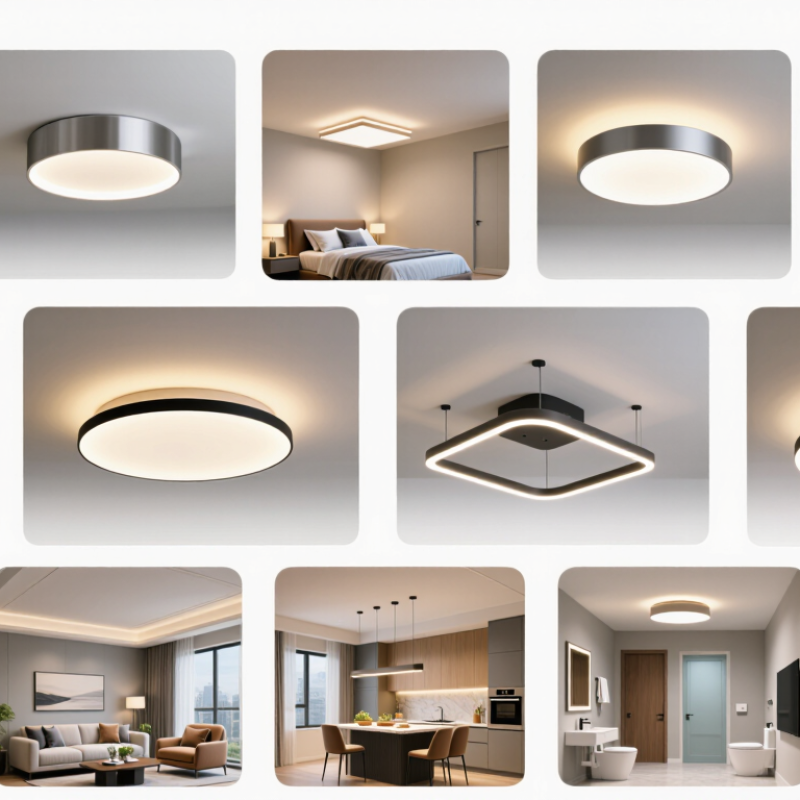
An LED flush mount is a ceiling fixture designed to sit close to the ceiling, rather than hang on a stem. Inside, light-emitting diodes convert electrical energy into light. A driver regulates the electricity reaching them, helping maintain steady output. The diffuser spreads light across the room and softens bright points. No complicated magic. The fixture’s housing also needs to manage heat, since excessive heat can shorten LED life.
Light output is measured in lumens, while color temperature, listed in kelvins, describes whether the light looks warm or cool. A warm setting can feel comfortable in a bedroom; a cooler one may suit a laundry area. These are tendencies, not rules. Wall color and daylight can change how the same fixture appears. For a useful comparison, check lumen ratings rather than relying on wattage alone.
Many flush mounts use integrated LEDs, meaning the light source is built into the fixture and may not be replaced like a standard bulb. That design can keep the profile slim, but it makes expected service life and warranty terms worth checking. Dimming also depends on compatibility between the fixture and wall control. A dimmer that worked with older bulbs may cause flickering. Installation should follow the fixture instructions, and uncertain wiring is a reason to consult a qualified electrician. One detail is easy to miss: a diffuser can make light feel softer, yet reduce how bright the room seems.
| Room or Use | Recommended Flush-Mount Type | Typical Diameter | Typical LED Power | Typical Light Output | Suggested Color Temperature | Useful Features |
|---|---|---|---|---|---|---|
| Small bedroom | Low-profile, diffused ceiling light | 10–12 in | 10–18 W | 800–1,500 lm | 2700–3000 K | Frosted diffuser for soft, even ambient light; dimming is useful for evening comfort. |
| Primary bedroom | Wide dimmable flush mount | 14–18 in | 18–30 W | 1,500–2,500 lm | 2700–3000 K | Choose a dimmable model and check that its driver is compatible with the intended wall dimmer. |
| Living room | Large, evenly diffused ceiling fixture | 16–22 in | 24–40 W | 2,000–3,500 lm | 2700–3000 K | A broad diffuser helps reduce harsh shadows; use supplementary lamps where task lighting is needed. |
| Kitchen | Bright flush mount with a high color-rendering rating | 12–18 in | 20–35 W | 2,000–3,500 lm | 3000–4000 K | Look for a color rendering index (CRI) of 80 or higher; add under-cabinet lighting for countertop tasks. |
| Bathroom | Moisture-rated flush mount | 10–14 in | 12–24 W | 1,000–2,000 lm | 3000–4000 K | Check the fixture’s damp- or wet-location rating against its placement and local electrical requirements. |
| Hallway | Compact, low-profile flush mount | 8–12 in | 8–15 W | 600–1,200 lm | 2700–3000 K | A slim profile suits low ceilings; use evenly spaced fixtures for consistent light along longer corridors. |
| Entryway | Decorative diffuser-style flush mount | 12–16 in | 15–25 W | 1,200–2,200 lm | 2700–3000 K | Check the fixture depth and door clearance, especially in compact entryways. |
| Home office | Wide, low-glare flush mount | 14–20 in | 20–35 W | 2,000–3,500 lm | 3000–4000 K | A diffused lens can help limit glare; position task lighting separately for desk work. |
| Laundry or utility room | Practical, easy-to-clean flush mount | 12–16 in | 18–30 W | 1,500–2,800 lm | 3500–4000 K | Choose a sealed or easy-to-clean design appropriate to the room’s dust and moisture conditions. |
| Closet | Compact, covered flush mount | 8–12 in | 8–15 W | 600–1,200 lm | 3000–4000 K | A covered lens protects the light source; follow local rules for fixture placement near stored items. |
How LED flush mounts work: LEDs convert electrical energy into light, while an electronic driver regulates the power supplied to them. A diffuser spreads the light, and a flush-mounted housing sits close to the ceiling. Wattage and lumen figures above are typical planning ranges, not specifications for a particular fixture; actual output, efficiency, dimmer compatibility, and location ratings vary by model.
It sits close to the ceiling instead of hanging from a stem. LEDs produce light, while a driver regulates electricity. A diffuser softens bright points.
Measure the room before shopping. Add its length and width in feet, then use that number in inches as a starting diameter. It is only a guide. Hold a paper circle against the ceiling to check the scale.
Compare lumens, not watts. Kitchens and work areas often need more usable light than bedrooms. Wall color, ceiling height, and daylight also affect how bright the room feels.
Warm white often feels comfortable in living spaces. Neutral white can make task areas look clearer. Very cool light may feel harsh at night. Preferences vary.
Often, the LEDs are built into the fixture rather than designed for standard bulb replacement. Check expected service life and warranty terms before buying. That detail matters.
Not always. The fixture and wall dimmer must be compatible, or flickering may occur. Check the dimming range and test for flicker at low settings.
LEDs can use substantially less energy than incandescent lighting, but actual savings depend on your old fixture, daily use, and electricity rates. Small differences add up.
Scheduling, app control, and voice commands can be convenient. A hallway light could switch off after bedtime. Check network compatibility, and remember that setup can be fussy. Standby power may also add a little use.
LED Flush Mount Lighting offers a practical way to brighten rooms while keeping the ceiling profile clean and unobtrusive. This guide explains how these fixtures distribute light and how to choose a suitable size, brightness level, and color temperature for spaces such as bedrooms, kitchens, hallways, and living areas. It also explores ten types of fixtures suited to different room needs, from gentle ambient lighting to brighter options for everyday tasks.
The guide compares energy use, dimming capabilities, and smart features to help readers balance convenience, comfort, and efficiency. It also covers essential installation and maintenance considerations, including checking fixture compatibility, following safety instructions, and keeping the light clean for consistent performance. With these factors in mind, readers can select a flush mount light that complements a room and provides dependable illumination.